
The (Fascinating) History of Hemp
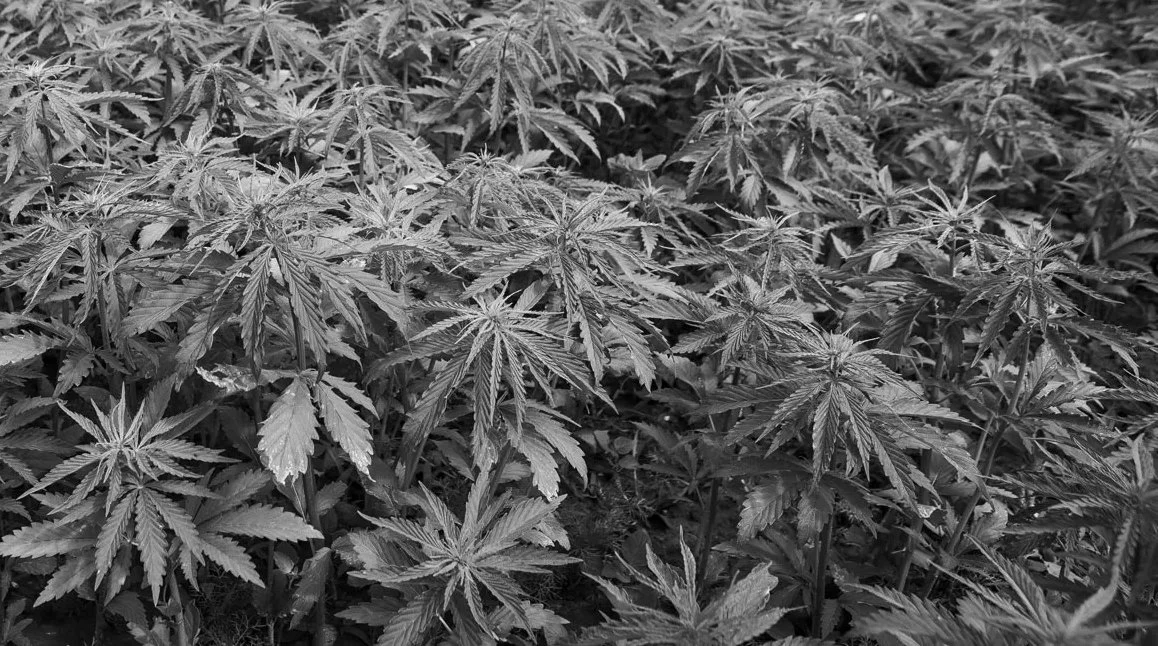
Despite the many advantages of hemp, today hemp fabric makes up just .2% of the global fiber market. Here’s why.
Hemp is ancient. Cannabis sativa cultivation can be traced back to the early Neolithic era. The oldest known fossil record of hemp is 19.6 million years old from the northeastern Tibetan plateau (present-day China). In China, hemp has been cultivated for the production of textiles and fiber for over 5,000 years.
By 1,000 AD, cannabis sativa was introduced to Europe and hemp cultivation became so widespread it was legally required by many governments. In 1533, King Henry VIII mandated every farmer to cultivate hemp, as it was a strategically important material used for maritime use (rigging, lines, sails). In the 17th and 18th centuries, colonies in America were legally required to grow hemp as a staple crop.
Prohibition
By 1961, hemp cultivation in the EU and the US came to a halt because of changes to legislation (the Single Convention on Narcotic Drugs) that placed hemp under the same umbrella as its psychoactive cousin marijuana. While marijuana can contain up to 30% THC, the hemp plant contains at most .3% THC and is non-psychoactive, meaning it causes no significant changes to the mind. The ban on hemp eventually extended all the way to China by 1985, after it ratified the UN Convention on Psychotropic Substances. Interestingly, the hemp ban coincided with the invention of synthetic fabrics, which now make up over 60% of the total global fiber market.
Legalization
By 2010, hemp was once again legal in China, and today it is one of the largest producers and exporters of hemp fabric worldwide. Over the next decade, prohibition lifted and hemp was once again cultivated on an international scale. The Federal Farm Bill legalized hemp in the US in 2018, and industrial hemp production increased significantly.
As a result of decades of hemp prohibition, supply chains broke, innovation was stunted, important knowledge was lost, and the demand for hemp fabric virtually disappeared. As climate change threatens to destabilize fashion supply chains, and awareness is growing about the destructive impacts of fashion, renewed interest in hemp fabric is emerging. Investing in brands that use hemp will drive down the costs and make the fabric more accessible.
We aim to help rebuild the hemp supply chain in Italy and help this incredible material regain its rightful status as one of the most commonly used fabrics on Earth.