
Forever Chemicals
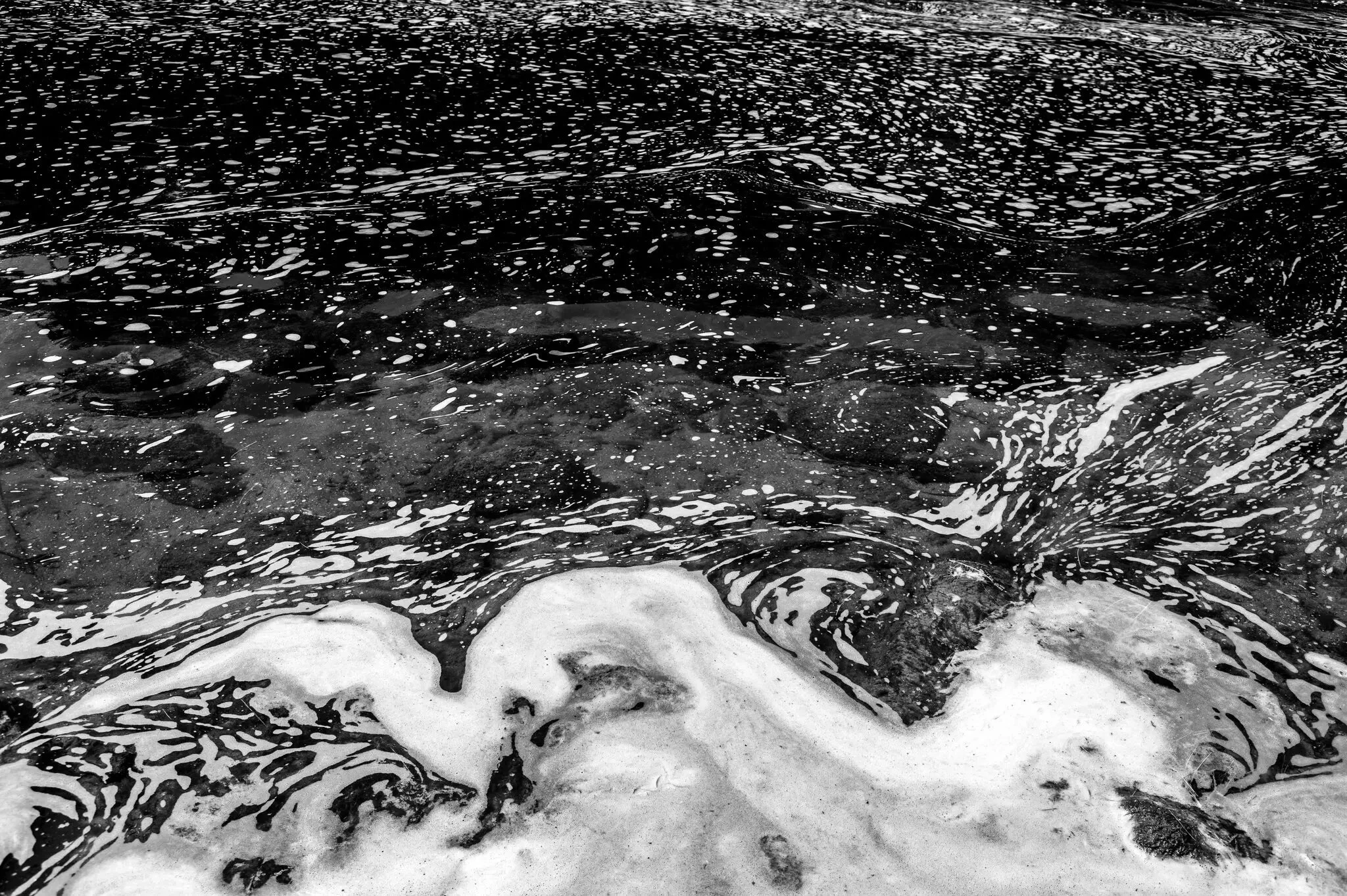
PFAS foam in Oscoda township, Michigan. Photo courtesy of Jake May/AP
In the 1940’s, a group of chemicals called PFAS (per- & polyfluoroalkyl substances) was invented to make products resistant to heat, water, and oil.
Often called “forever chemicals” due to their remarkably strong carbon-fluorine bonds, when PFAS enter the environment, they never break down. Once PFAS escape from the products they are in, contamination is very difficult to contain.
Sadly, from moisture-wicking yoga pants to rain jackets, forever chemicals are ubiquitous in fashion—especially for kids. PFAS are present in 60% of children’s water and stain-resistant clothing. Even products with “eco” labels have been found to contain unsafe levels of PFAS.
Exposure to these chemicals has been linked to cancer, decreased fertility, weakened childhood immunity, low birth weight, abnormal fetal development, endocrine disruption, and liver and thyroid issues.

1950’s advertisement featuring products with “forever chemicals”
How do forever chemicals enter our bodies?
Contaminated drinking water (close proximity to fire training sites, industrial sites, landfills, wastewater treatment plants)
Contaminated food (cooking with grease resistant containers or non-stick pots, and eating animals with bioaccumulated PFAS)
Wearing, breathing in or touching products that contain PFAS (for example textiles that have been treated to repel water, heat, or dirt)
What type of products have forever chemicals in them?
Cleaning products (detergents, degreasers, etc.)
Personal care and beauty products (shampoo, contact lenses, dental floss, toilet paper, eye makeup, etc.)
Household items (mattress pad, upholstry, wall paint, carpeting, etc.)
Fabrics that are resistant to water, heat, or stains (waterproof gear, tents, rainboots, etc.)
How can we limit our exposure to forever chemicals?
Avoid products with “fluoro” or “perfluoro” in the ingredients list
Avoid grease-resistant food packaging, try to avoid drinking or eating from plastic entirely, and never heat up plastic (especially when it contains food or drink)
Drink water filtered using granular activated carbon (GAC) or reverse osmosis (RO)
Avoid all water-repellent, stain-repellent, and heat-repellent products. Although synthetic materials are more likely to contain PFAS, even natural fibers that have been treated for something like waterproofing will almost always contain forever chemicals (basically don’t assume just because something is 100% cotton that it is free of PFAS, especially if it is labeled ‘waterproof’)
Tools & Resources
Environmental Working Group’s Federal PFAS Report Card
Environmental Protection Agency’s PFAS Resources, Data, and Tools